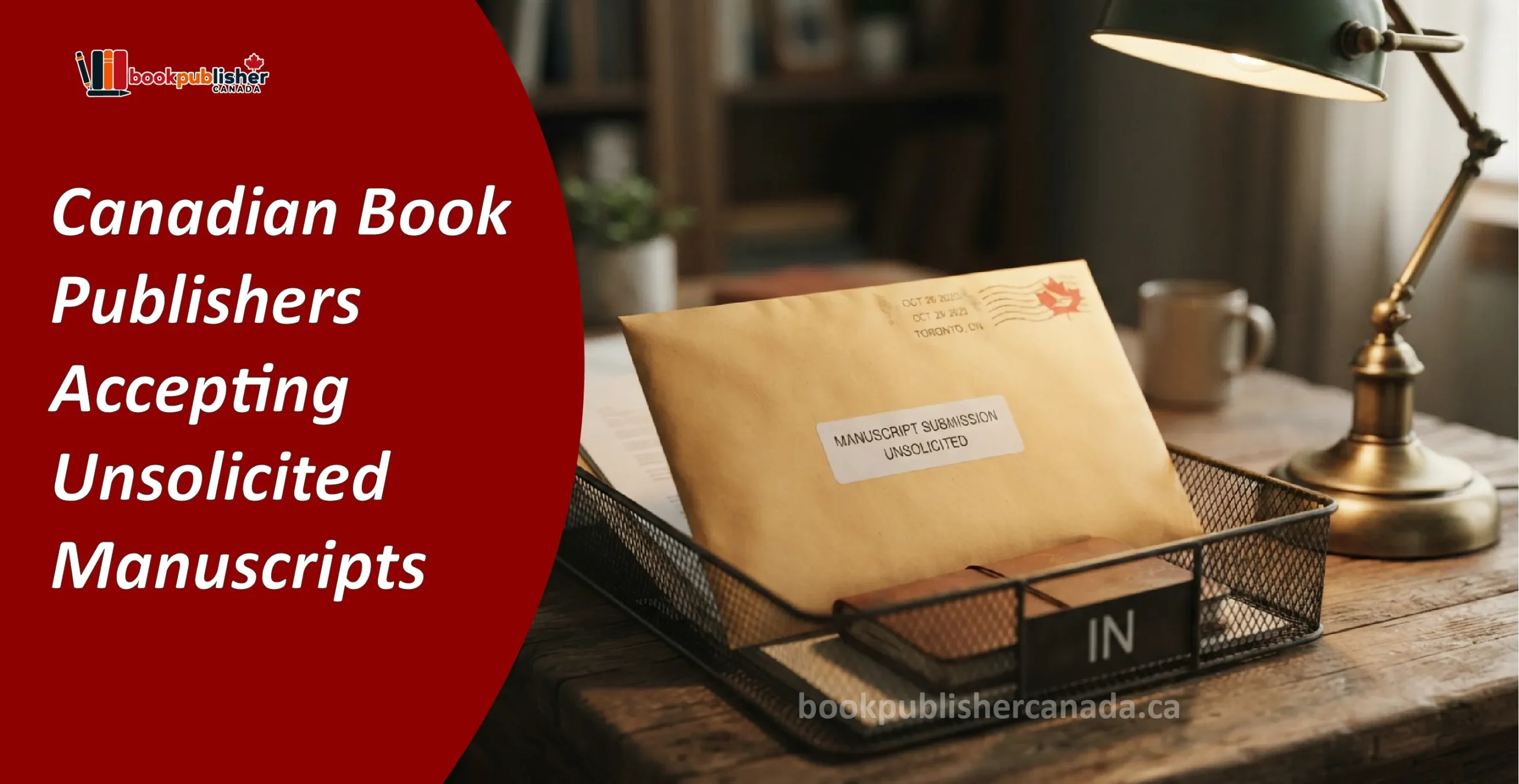
Getting the attention of a publisher who will consider your unsolicited manuscript is difficult for novice authors. Most publishers require literary agents to submit any material they have on hand, but independent or small-scale publishers may be more lenient. The author must be well-informed about submission rules, create a good manuscript, and find suitable publishers for his or her manuscript.
Canadian book publishers that are open to receiving unsolicited submissions are publishing firms or independent presses that permit writers to submit their work directly without having to be represented by a literary agent first. The submission process, however, differs greatly between publishers. While some publishers accept whole manuscripts, others will require a query letter, synopsis, or proposal first before requesting the full manuscript.
It is advisable for writers to check out the submission guidelines of a particular publisher before submitting anything to ensure that the manuscript does not get rejected due to submission mistakes. This is one way for writers to show how professional they are.
Publishers that accept manuscript submissions in Canada can be found through directories, professional associations, independent presses, and individual publisher sites. It is important to target those publishers that have a regular stream of publications in your genre rather than submitting your manuscript indiscriminately to all possible publishers.
An effective research methodology involves looking into the list of titles offered by the publisher. It is important to identify recent publications that share something similar with the manuscript, such as subject matter, writing style, target audience, or genre. For example, a publisher that specializes in literary fiction may not be the right publisher for a business guide, and vice versa.
It is important to verify that the publisher accepts unsolicited manuscripts. The company may have had such policy previously but changed it, or introduced seasonal submission periods.
Necessarily not. Literary agents offer representation services and could help authors connect with publishing houses that don’t accept direct approaches from writers, but literary agents are not always essential to the process. Writers could explore literary agents Canada unsolicited manuscripts options independently from researching publishing houses that allow direct submissions.
It is especially important for writers pursuing more traditional publishing options to have an agent since agents usually review manuscripts, work on the proposals, negotiate the contracts and pitch appropriate projects to the publishing houses. But writers trying to reach out to independent publishers will be able to contact them independently in accordance with the requirements of those publishers.
The main point here is not whether a writer has an agent but whether the selected publisher allows the type of submission prepared.
Understanding how to submit a manuscript to the Canadian publishers could assist authors in avoiding the pitfalls in the process. First of all, it is necessary to determine which publishers would suit the manuscript and follow their guidelines carefully.
A submission packet could consist of a query letter, synopsis, author bio, sample of the manuscript, or the whole manuscript. In the case of non-fiction work, an outline could be needed as well. This outline explains the idea of the book, target readership, other books on the market, and author credentials.
It is important to proofread the manuscript and provide the required documents before submission. Proper filenames and brief emails/submission forms are essential. It is better not to send any unnecessary files that weren’t required.
Good publishing companies in Canada that are suitable for new writers would not be based on any rankings but on the manuscript. Good publishers should have a good catalogue, experience with that kind of material, good submission policy and a good distribution method for that material.
Authors should compare publishers based on several practical factors:
| Factor | What Should Writers Confirm? |
| Genre | Does the publisher publish other books of the same type? |
| Submissions | Does the publisher accept unsolicited submissions? |
| Rights | What rights does the publishing agreement demand? |
| Distribution | Where would the published book be available? |
| Editorial services | What editorial services does the publishing company offer? |
| Marketing | What marketing assistance does the publisher offer? |
| Royalties | How is the payment of royalties done? |
| Reputation | Is the publisher professionally reputable? |
This comparison can help authors distinguish between publishers that genuinely fit their project and companies that simply appear attractive because they offer broad services.
Of course, authors can submit their work directly to publishers without using agent Canada, if direct submissions are accepted by that publisher. Small independent presses can be helpful to authors who do not have agents. Competition, however, can be quite tough, so authors need to watch out for that.
The guidelines for submission by Canadian small presses include adhering to each publishing house’s rules and making sure that the manuscript is appropriate to their genre and editorial interests. Authors are advised to study the rights, royalties, publication, and marketing responsibilities before signing a deal.
There are other options for writers besides the option of traditional publishing. Writers who would like to have more control over the process of producing their work, price-setting, scheduling, and distribution should consider the option of self-publishing. Digital publishing options enable writers to publish both ebooks and printed books.
For authors exploring digital distribution, book publishing Canada may include both traditional and independent approaches. The appropriate route depends on the author’s objectives, budget, timeline, and desired level of control.
Authors need to look at the costs, services and the modes of distribution in the various publishing routes and then decide on the route that suits their objective the most.
Publishing through Kindle using KDP is one more route for authors to go down, but the same requirements apply. The ebook needs to be professionally edited, designed and formatted.
Authors may also research Amazon book publishers when comparing publishing-related services, but they should distinguish between a publishing company and a platform used for distributing independently published books.
Publication is just one step in the process of a book’s journey. In order for readers to get a chance to know about a particular book, there should be some promotional measures in place.
Authors have to determine who their potential readers might be and how they will market their books using methods appropriate to the genre of the book and its intended audience.
Authors who need professional assistance can research Canadian book promotion experts and compare their experience, services, pricing, and approach. Promotional support should be selected according to the book’s genre and target. Readership rather than based only on promises of sales.
It is possible for a promotion strategy to commence before the book has been published as well as after. This could be achieved through developing the author’s platform, getting promotional material ready. Finding the target audience, and keeping communications flowing.
Authors have to make sure that their manuscript is fully completed, properly edited, well-formatted. And is appropriate for the selected publisher. The authors are supposed to make sure that all requirements are satisfied, all materials are prepared. And the process of submitting is documented before making the submission.
In case the publisher shows any interest. The authors are to carefully consider the contract and its various elements before signing it.
There are a number of considerations that have to be put into account when publishing a book in Canada. Selecting the appropriate publishers, adhering to the submission policies, and understanding the publishing terms will enhance the probability of success.